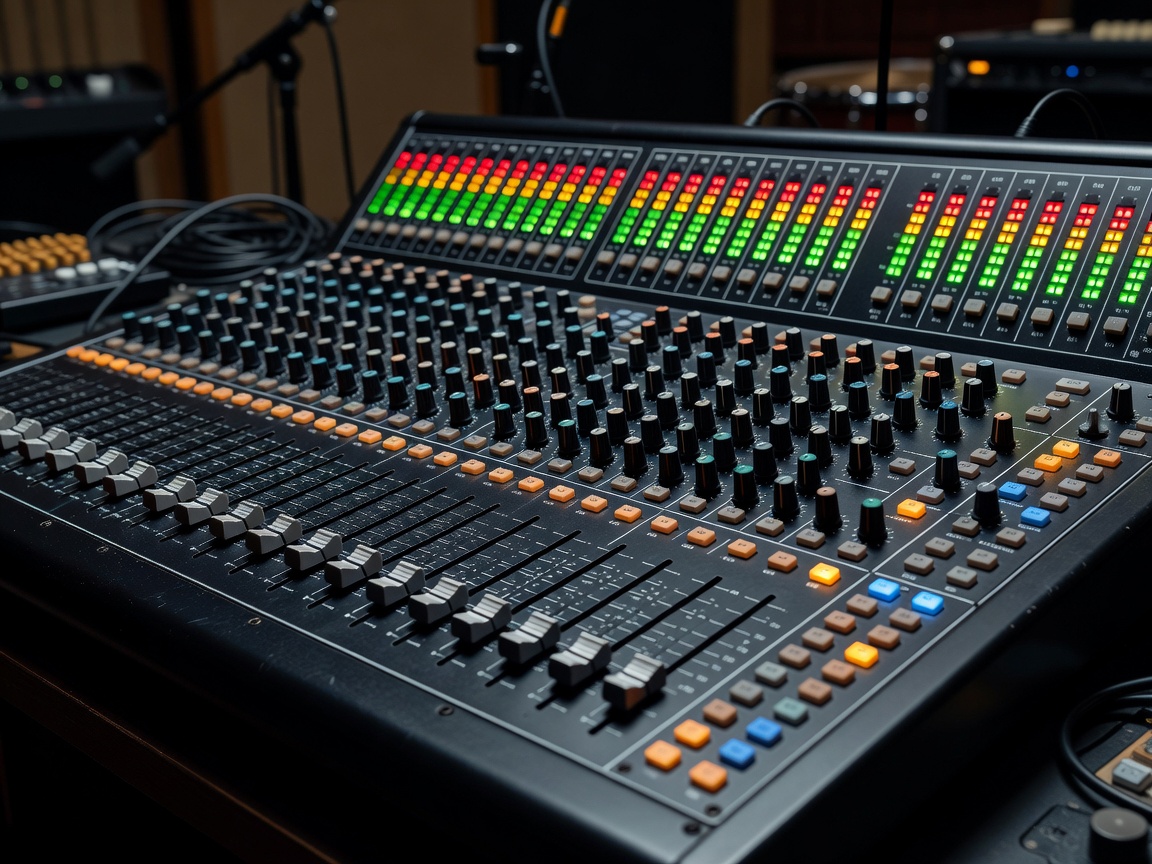
Acoustics
Audio Engineering
Even sound distribution, speech clarity, frequency feedback elimination, and subtle acoustic zone calibration.
Review Audio Specs →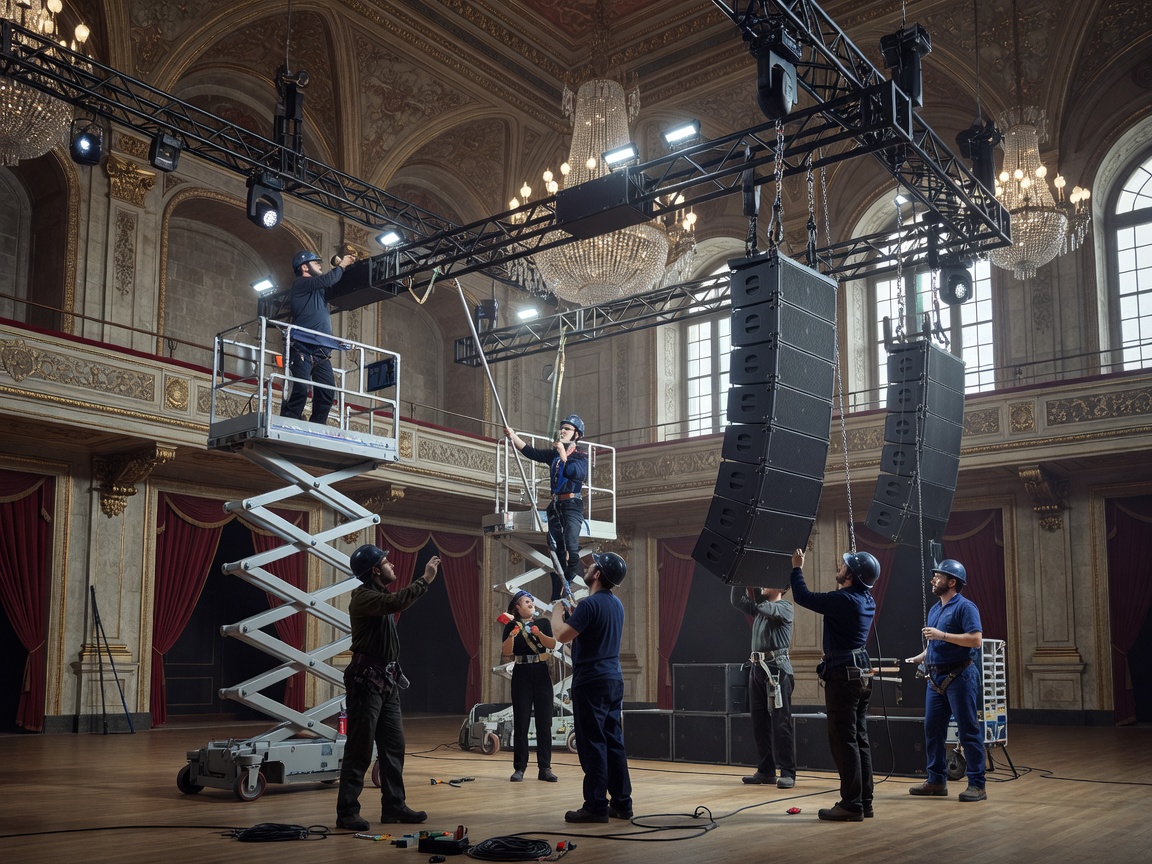
Event planning is deciding what should happen. Event production is the physical engineering that makes it possible: power, sound, light, rigging, staging, and breakdown.
We break down complex technical undertakings into six disciplined phases, ensuring no detail is overlooked.
Establishing spatial intent, aesthetic goals, audience size, and acoustic expectations before any equipment is booked.
Creating millimeter-accurate floor plans, sightline checks, power load calculations, and rigging point safety audits.
Matching technical requirements with trusted rental partners across Europe for sound, lighting, furniture, and structures.
Managing loading bays, physical construction, truss hoisting, cabling cable ramps, and aesthetic finishes.
Live audio-visual mixing, lighting cue execution, climate monitoring, and immediate backstage technical triage.
Safe derigging, organized packing, inventory reconciliation, and clean site handover within venue time limits.
People often use "planning" and "production" interchangeably, but they serve two distinct functions.
Event Planning focuses on the guest journey, catering choices, invitations, decor aesthetics, and general timeline.
Event Production is the engineering backbone: how many kilowatts of three-phase power the venue provides, whether the historic ceiling beams can safely support a lighting truss, how many decibels leak into nearby streets, and where safety exit corridors are maintained.
Without solid production engineering, beautiful planning can fail when the first microphone creates feedback or the ovens trip the venue's master breaker.
Rather than relying on generic estimates, realistic budgets depend on practical production variables:
A 4-hour setup window requires a much larger crew than a relaxed 24-hour load-in window.
Venues lacking three-phase electricity require quiet external generators and heavy distribution boards.
High stone arches or glass walls need specialized speaker positioning and ground-supported trussing.
Even sound distribution, speech clarity, frequency feedback elimination, and subtle acoustic zone calibration.
Review Audio Specs →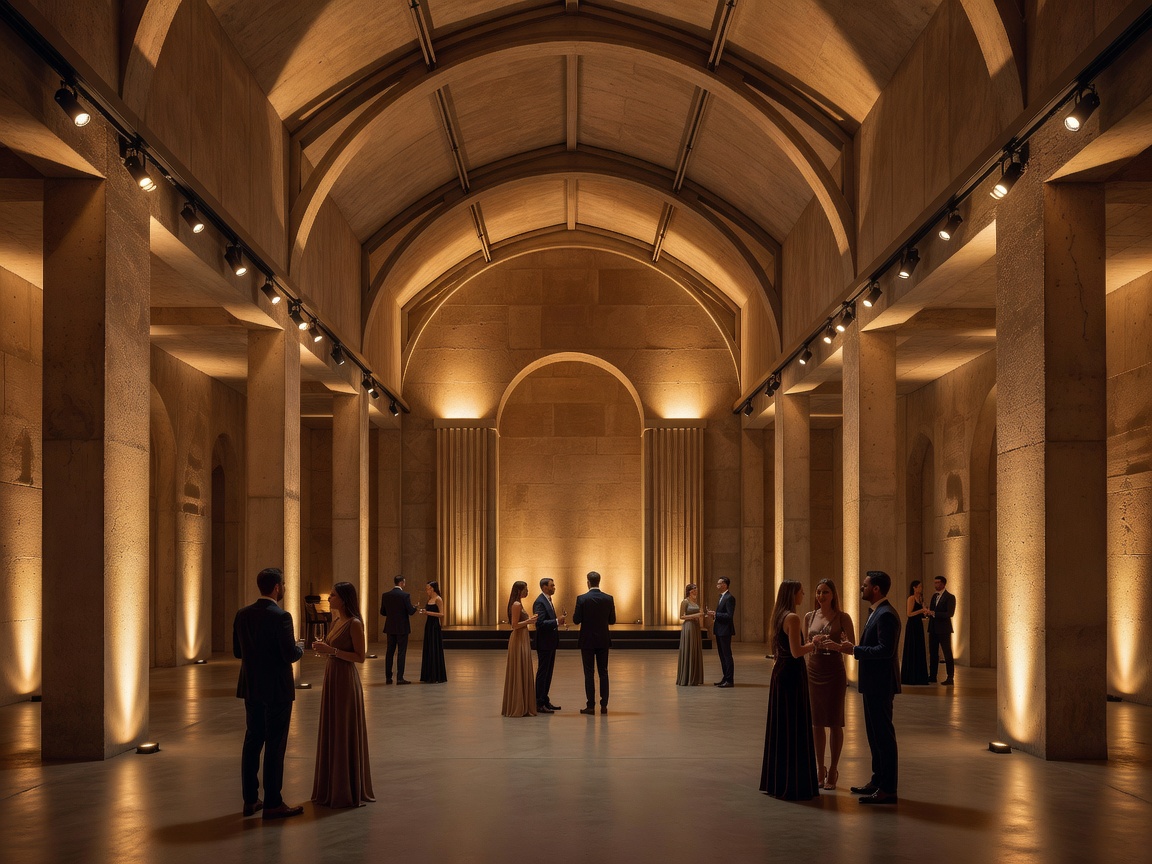
Warm washes, dimmable pin-spots for tables, stage focal lighting, and energy-efficient LED fixtures.
Explore Lighting Plans →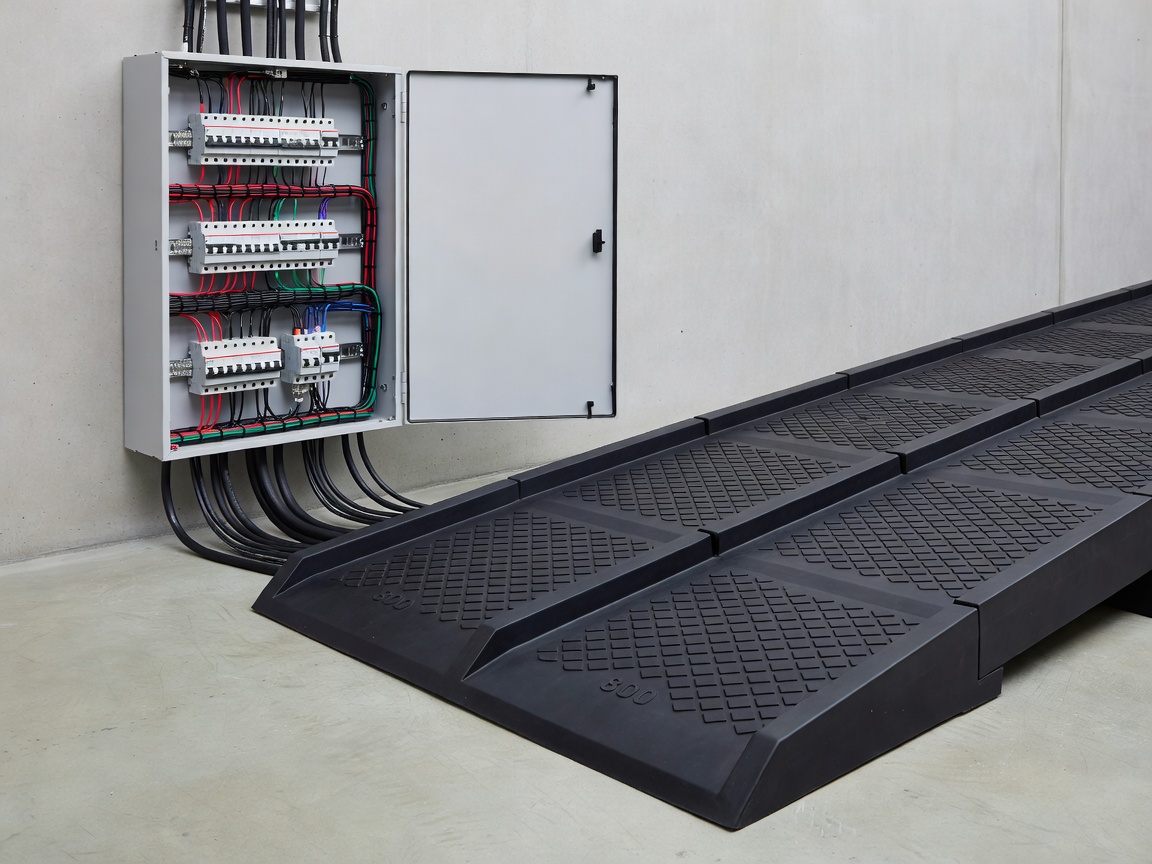
Phase-balanced distribution, uninterruptible power supplies for mission-critical video, and low-profile cable ramps.
Plan Infrastructure →