Performance
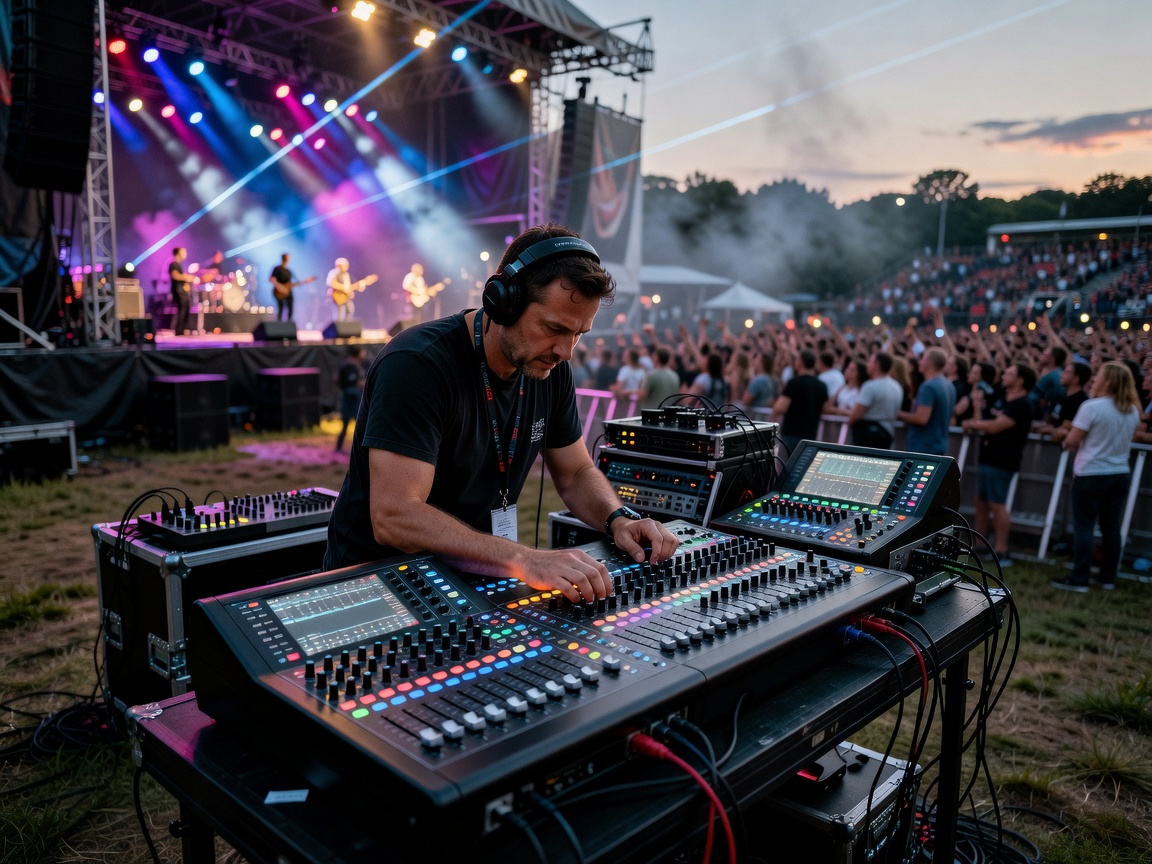
Stage & Sound Management
Curated stage schedules, backline support, fast changeovers, and compliant decibel monitoring at site perimeters.
Plan Stage Specs →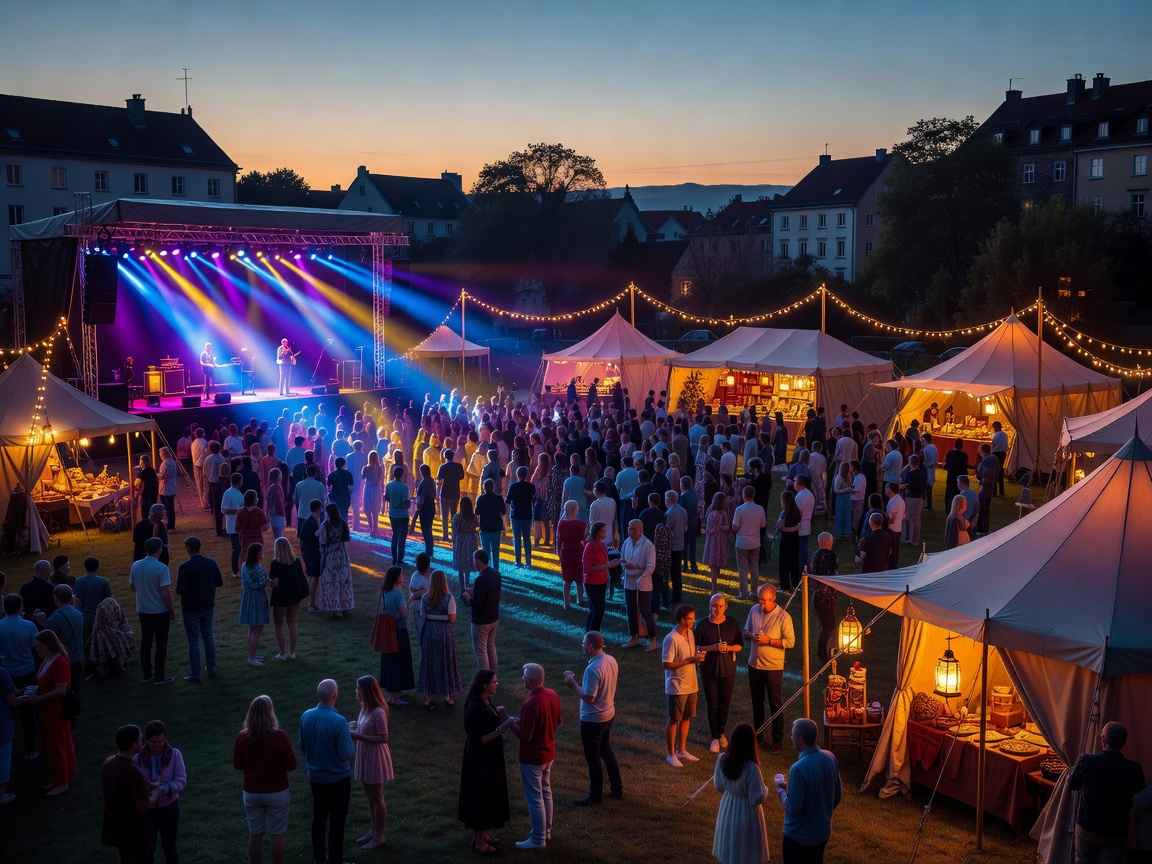
From open-air cultural celebrations in municipal parks to multi-day arts gatherings, successful festivals require thorough site planning and steady operational control.
A great festival feels spontaneous to visitors, but every gate, power run, water point, and sound barrier is calculated in advance.
Every piece of open ground has natural contours, access points, and acoustic boundaries. Good site design separates heavy logistics from pedestrian areas so service trucks never cross busy audience thoroughfares.
Zoning establishes distinct quadrants: performance stages, food and refreshment villages, sanitation clusters, first aid points, and back-of-house production yards. By keeping loud stages acoustically isolated from acoustic performance tents, audiences enjoy each show without sound bleed.
Arrival sets the emotional tone for the whole festival. Poorly managed wristband checks create long queues that irritate visitors and push back performance start times.
We calculate entry capacities based on peak arrival windows, designing serpentine barrier lanes and well-staffed scanning portals that keep lines moving briskly.
Across Europe, festival permits, noise curfews, crowd density limits, and environmental safety regulations are set by regional authorities and municipal councils.
Requirements vary significantly between countries and locations. We always work within local statutory guidelines, coordinating early with fire marshals and local safety boards.
Music Festivals: Heavy stage rigging, line-array audio systems, artist hospitality riders, and nighttime egress lighting.
Food & Wine Festivals: Potable water distribution, grease management, commercial power for vendors, and hygiene inspection protocols.
Community & Arts Gatherings: Family accessibility, daytime shade architecture, interactive workshops, and noise mitigation for nearby homes.
Curated stage schedules, backline support, fast changeovers, and compliant decibel monitoring at site perimeters.
Plan Stage Specs →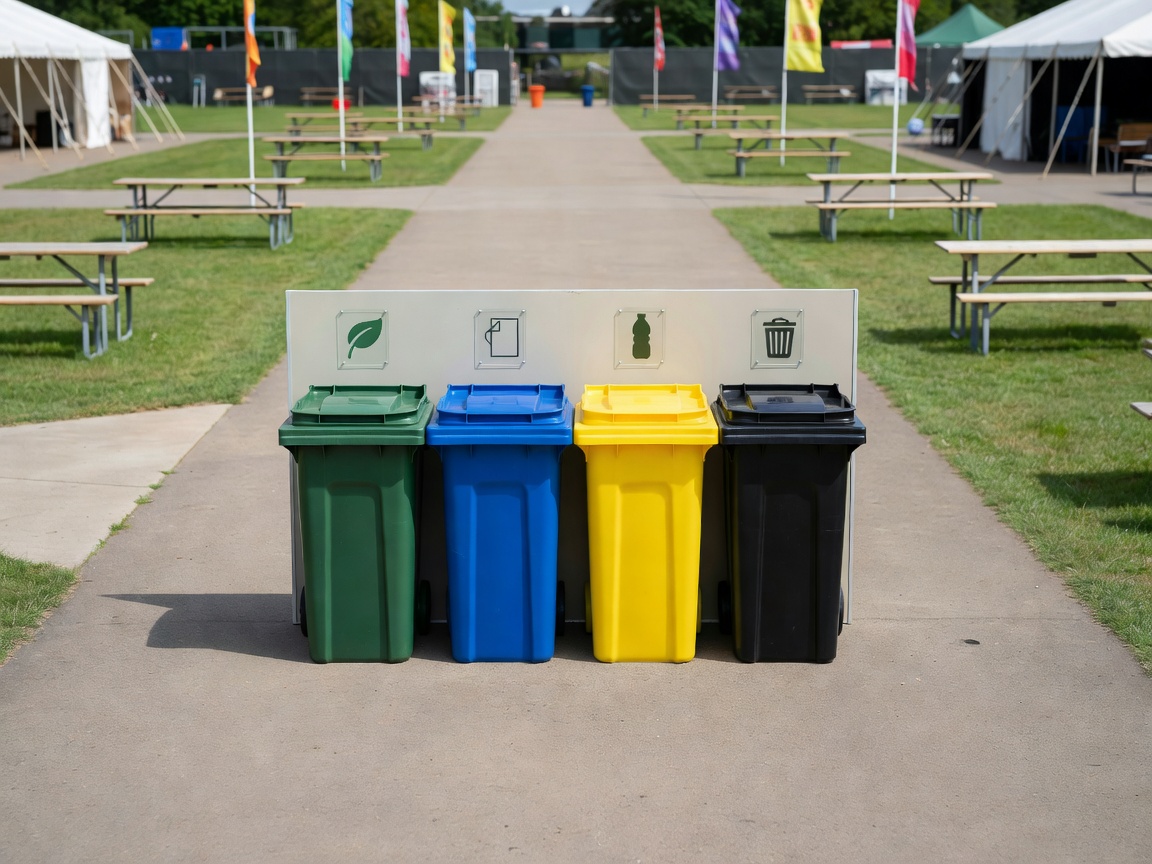
Calculated toilet ratios, accessible sanitation facilities, color-coded recycling points, and rapid litter sweeps.
Review Waste Plans →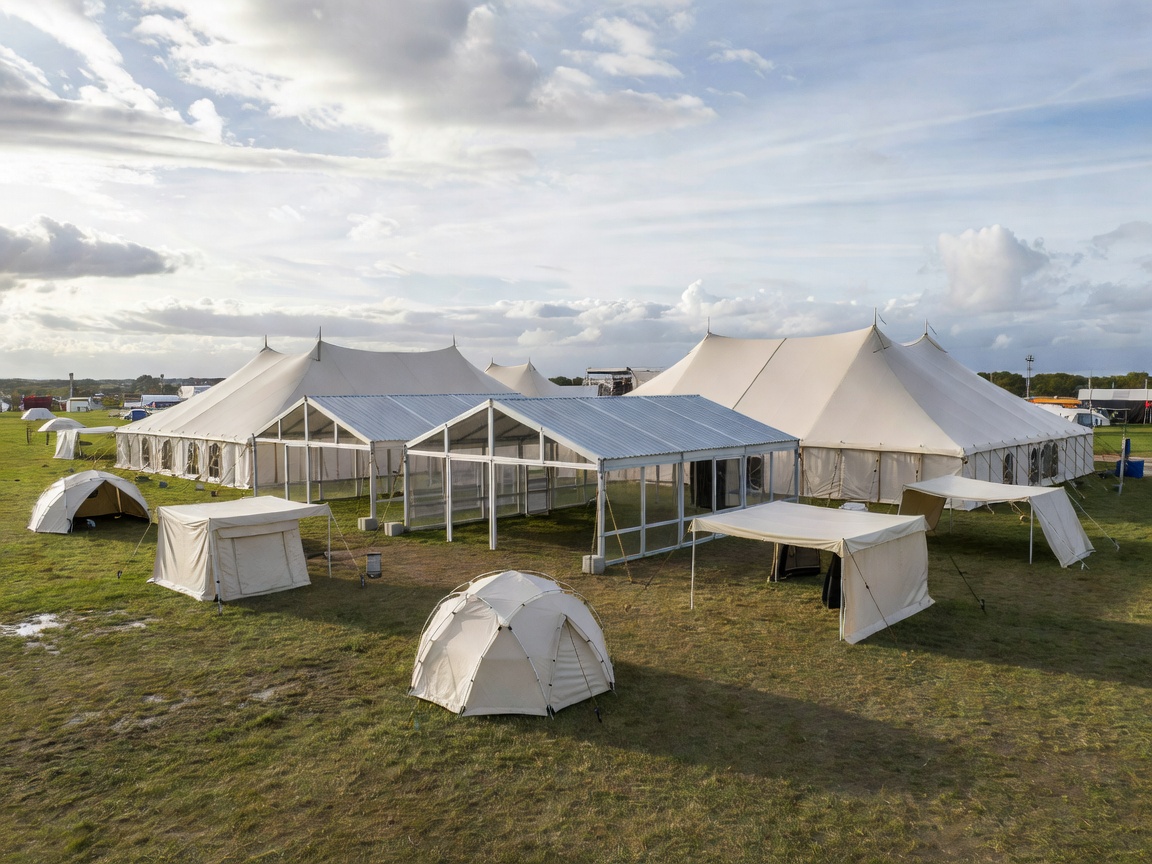
Trackway for soggy terrain, weighted marquee structures for wind gusts, and shaded hydration shelters for hot summers.
Discuss Weather Prep →During live festival hours, quick decision-making keeps everything on track.
Our operational approach centers on calm radio communication between zone coordinators, stage managers, entry teams, and medical staff.
When artist travel is delayed or a vendor needs additional power, the production team resolves the issue swiftly without interrupting the audience experience.
Festivals should welcome everyone. We plan step-free pathways across grassy terrain, viewing platforms with unobstructed stage sightlines, and sensory cool-down areas away from loud stages.